
Most plumbing emergencies start quietly.
A hose line gives out. A pipe cracks. A toilet supply line fails. At first, it looks manageable.
Then someone tries to shut off the water and realizes they cannot.
That is usually the moment things change. Water keeps running, damage spreads, and what could have been a simple repair becomes something much bigger.
The difference often comes down to one overlooked component. The main water shut-off valve.
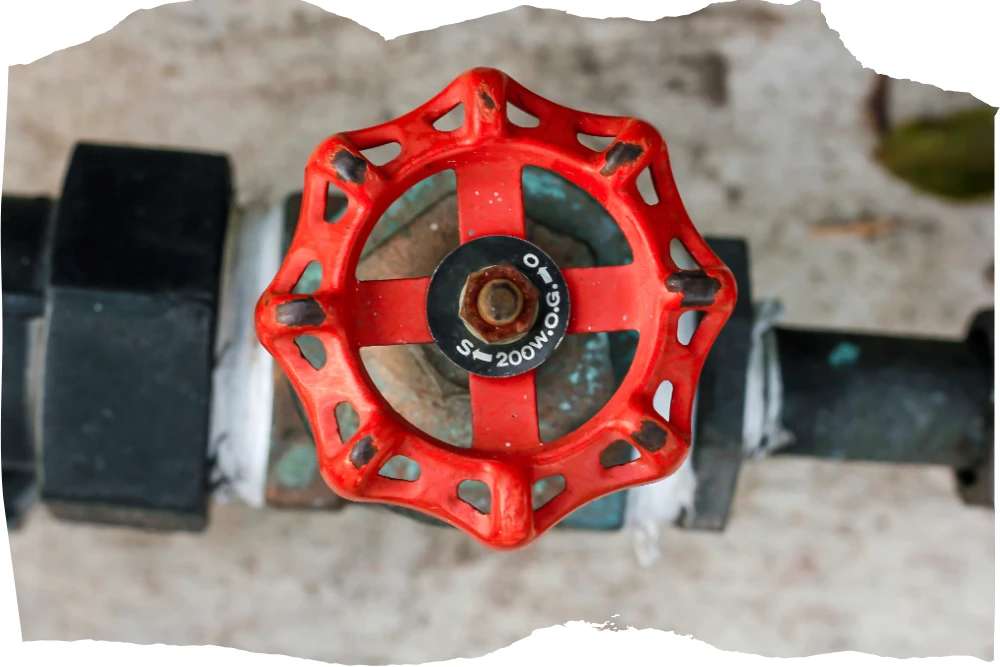
The main water shut-off valve controls all the water coming into a property.
When it works properly, turning it off stops the flow of water to the entire building.
That gives you time to address the problem before damage spreads.
When it does not work, water keeps moving. Fast.
Fixture-level shut-offs can help, but they are not always easy to reach during an emergency. The main shut-off is the fastest way to regain control.
One of the biggest problems with shut-off valves is that people assume they know where theirs is.
In homes, it is commonly found:
In commercial buildings, it may be located:
Over time, valves get hidden behind storage, shelving, or renovations. When water is actively flowing, searching for it wastes valuable time.
Most shut-off valves are rarely used. That is exactly why they fail.
Common issues include:
In South Florida, humidity, salt air, and older plumbing systems make corrosion and seizing even more common.
The valve works fine until the moment it is needed most.
When water cannot be shut off quickly, damage escalates fast.
That can include:
The valve itself is a small part. The damage from a failed valve is anything but small.
Who is responsible for the main shut-off valve is not always clear.
Knowing this before an emergency avoids confusion when time matters most.
Shut-off valves should be tested periodically to make sure they still turn freely and fully stop water flow.
Warning signs include:
Testing a valve takes minutes when done proactively. Waiting until an emergency often turns a small issue into a major problem.
Some valves are better replaced than repaired.
Replacement is usually recommended when:
Replacing a valve under controlled conditions is far less disruptive than dealing with water damage during an emergency.
Raider Rooter works with residential and commercial property owners to:
The goal is simple. Fewer surprises. Less damage. Better control when something goes wrong.
Keeping water where it belongs is always the goal.
This is not something most people call a plumber out for on its own.
In many cases, you can and should try to locate your main shut-off valve yourself.
Know where it is. Make sure it turns. That alone puts you ahead of most property owners.
Where this really makes sense is as part of work you are already scheduling.
If you are having your water heater checked, dealing with slow drains after the holidays, or planning a routine plumbing visit at the start of the year, confirming that your main shut-off valve actually works is a smart add-on.
If you find the valve but it is stuck, corroded, or will not fully shut off, that is when calling a professional matters. Forcing it during an emergency is how handles break and small problems turn into major damage.
Raider Rooter routinely checks shut-off valves while already on site for other services. It is a simple step that can help prevent a much bigger issue later.
Knowing where your shut-off valve is and knowing it works can be the difference between a quick fix and a very long day.
It’s a small thing to check now that can save you from a much bigger problem later.
8:00 a.m. to 5:00 p.m.
Monday to Friday
8:00 a.m. to 4:00 p.m.
Saturday


Boca Raton Office
1900 Glades Road, Suite 700-003
Boca Raton, FL 33431
Boynton Beach Office
804 SE 1st Street, Suite A
Boynton Beach, FL 33435
Delray Beach Office
55 SE 2nd Avenue
Delray Beach, FL 33444
© Copyright 2026 Raider Rooter. All Rights Reserved. Privacy Policy. Web Accessibility.